Give Landscape Beds a Natural Finished Look
Pine needle installation for residential yards and HOA common areas in Charlotte, North Carolina.
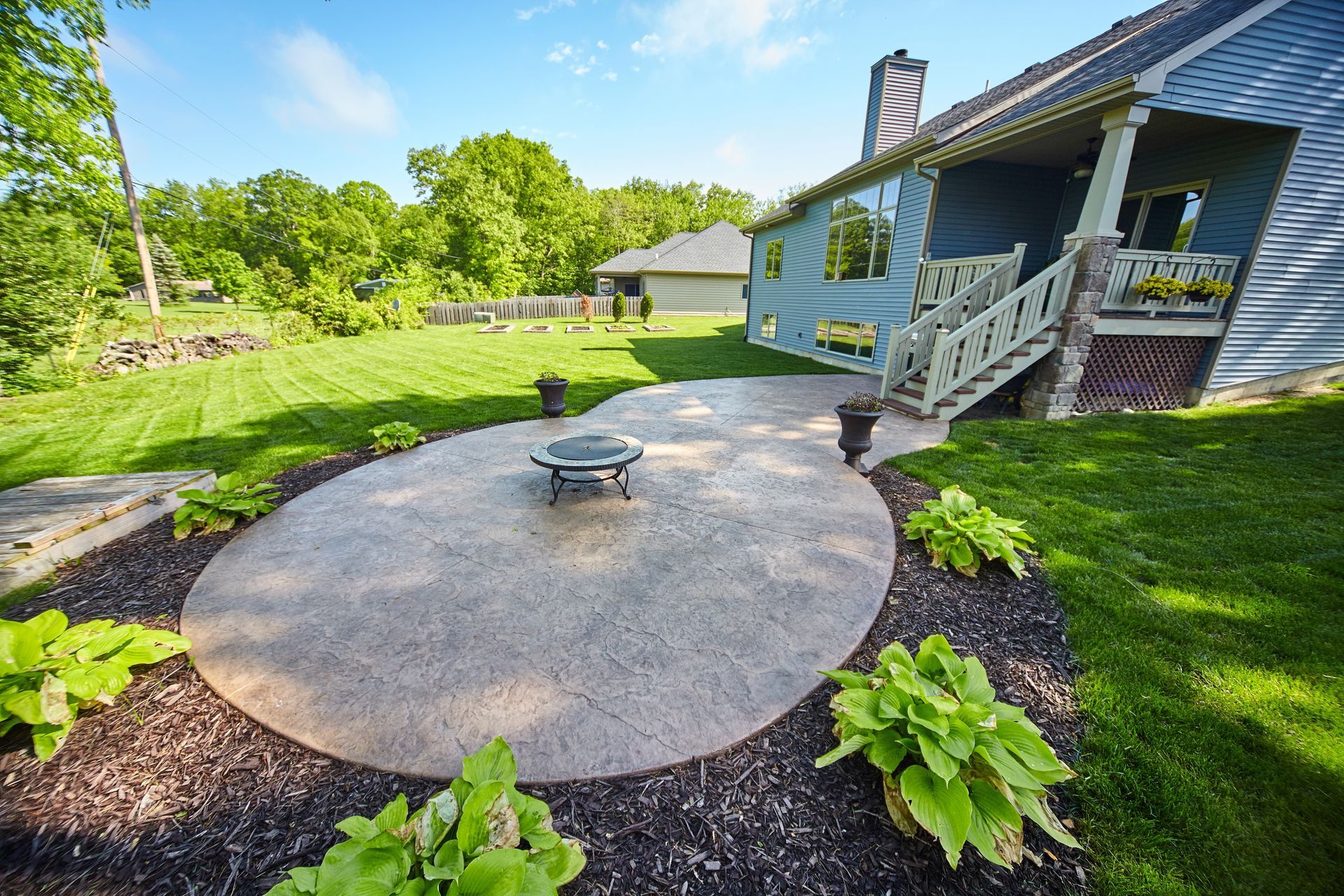
Pine needles give beds a softer, more natural appearance than traditional mulch, and they work especially well in Charlotte neighborhoods where pine trees already frame the property. Instead of the chunky, dyed look of shredded bark, pine straw settles into a woven layer that holds its shape, resists washing out during heavy rain, and complements native plantings without competing for attention. You see the difference immediately in how beds frame walkways and foundation plantings, and the effect lasts longer than you'd expect given how light the material feels.
New grass life LLC supplies and installs pine needles for a natural, clean landscape finish. The service is popular for residential yards and HOA common areas in the Charlotte region where appearance matters but the goal is subtlety rather than contrast. Pine straw improves appearance while helping control weeds and soil erosion, and it's installed with attention to depth, coverage, and uniformity so beds look intentional rather than scattered. The service is available across the surrounding area and works as a seasonal refresh or part of a broader landscape improvement project.
If your property in Charlotte would benefit from a natural, low-maintenance bed covering that holds up through the seasons, reach out to discuss pine needle installation and timing.
How Pine Straw Changes the Look of a Bed
Installation starts with clearing out old material that's broken down into soil, removing weeds, and redefining bed edges so the new layer sits cleanly against turf and hardscape. Crews spread pine needles to an even depth, usually three to four inches, which allows the straw to mat down slightly without exposing soil underneath. In Charlotte, where afternoon storms can wash lighter materials toward drainage areas, pine straw's interlocking structure keeps it in place better than loose mulch.
After installation, beds take on a uniform, textured appearance that doesn't fade or bleach out as quickly as dyed mulch. Soil underneath stays cooler and retains moisture longer, which benefits shrubs and perennials during dry stretches. Weeds struggle to push through the dense layer, and when they do appear, they're easier to spot and pull. The property looks cared for without looking over-designed.
Service includes delivery, spreading, and edge cleanup. It does not include plant trimming, bed reshaping, or removal of roots and stumps. If beds need structural work or new plantings, handle that before the pine straw goes down. Most properties refresh pine straw once a year, typically in late fall or early spring, depending on when the existing layer starts to thin or lose its color.
Homeowners and property managers usually want to know how pine straw compares to mulch, whether it attracts pests, and how much coverage they'll need, so here are the answers that come up most often during planning.
A Few Things Worth Knowing Before You Book
New grass life LLC works with homeowners and HOA boards across Charlotte who want a ground cover that looks natural, holds up through the seasons, and doesn't require constant attention to stay presentable. If you're ready to give your beds a cleaner, more cohesive look with pine straw, contact the team to schedule a site visit and confirm material quantities.